Tattoo Design and Arts: A Detailed Embroidery File for Bold Projects
As an experienced embroidery designer and product reviewer, I’ve tested countless machine embroidery designs for their usability in both personal and commercial projects. When it comes to the Tattoo Design and Arts file, my first impression was one of intrigue. The visual impact is strong—ink-heavy, edgy, and packed with character. It feels like a design that speaks volumes before you even stitch it. But as any seasoned embroiderer knows, looks are just the start. What really matters is how the design performs when translated from screen to fabric.
First Impressions: Style Meets Substance
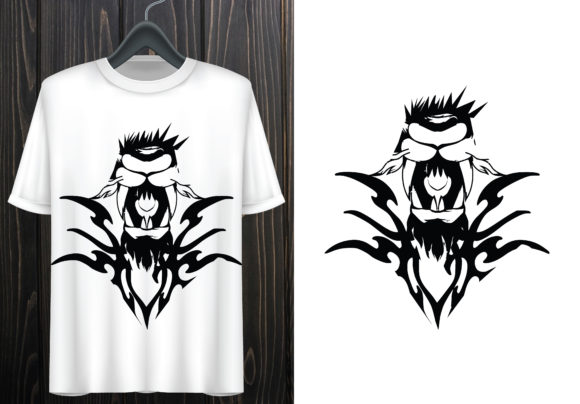
The Tattoo Design and Arts graphics bring a modern, artistic flair to your embroidery project. It’s not your average floral or script pattern—it’s more like wearable street art. The layout is balanced yet dynamic, with a mix of bold outlines and intricate inner details. This gives it a unique personality that stands out on garments and other items. From a design standpoint, it works well for creating a sense of rebellion, individuality, or deep meaning—depending on the imagery used.
One of the standout qualities is the detail level. Without being overwhelming, the design manages to convey complexity through subtle textures and shading. As someone who often uses applique designs and layered patterns, I appreciate how this one avoids clutter while still delivering visual depth. It’s clear that the creator put thought into making each element distinct and legible after stitching.
What Kind of Project Fits Best?
This design naturally belongs to custom apparel and accessories where a strong visual statement is needed. Think sweatshirt embroidery, tote bag designs, or even embroidered patches for jackets and denim. It could also work beautifully in holiday gifts or personalized items if the theme aligns with the occasion. For example, a custom baby sweatshirt with a gentle ink-style illustration would feel both trendy and timeless.
Because of its high-resolution nature, it's suitable for use in printable mockups as part of digital product previews. If you're an Etsy seller or run a small handmade shop, having a versatile digital embroidery file that can be shown clearly in photos is a big plus. The design has a clean enough structure to allow for easy customization without losing its essence.
Real-World Performance in Embroidery Projects
I recently tested the Tattoo Design and Arts on a few real-life embroidery projects to see how it held up. My first test was a custom embroidered tote bag for a boutique client. The design looked incredible once stitched, especially because the high resolution allowed for crisp lines and accurate color reproduction. It wasn’t just about looking good—it felt like the right choice for a brand that wanted to communicate strength and creativity through its merchandise.
Next, I tried using it on a custom apparel piece—a black sweatshirt. Here, the contrast between the thread colors and the dark background made the tattoo motif pop. However, I noticed that some of the finer lines were slightly lost in the shadowy depths of the fabric. That led me to consider whether this design might benefit from a white stabilizer or perhaps a lighter backing stitch to enhance visibility.
On a baby item—specifically a onesie—I had to scale down the design significantly. While the overall look remained appealing, the tiny lettering and delicate features required extra attention. I found myself inspecting the stitch density closely to ensure that the design wouldn’t distort or lose clarity at smaller sizes. This is something every embroidery designer should do: test the design on different fabrics and hoop sizes before finalizing a project.
Where to Use With Caution
While Tattoo Design and Arts is impressive, there are scenarios where it needs careful handling:
- Small hoop sizes: Scaling down can reduce the effectiveness of the detailed elements.
- Textured or stretchy fabrics: These can cause distortion in the fine lines and curves of the design.
- Dense stitch areas: The file includes many fill stitches; on thinner materials, this may lead to puckering or visible gaps.
- Dark fabric backgrounds: Thread color contrast becomes crucial here. Always preview the design in black and white to assess visibility.
- Curved surfaces (like caps): The design needs to be split or adjusted for curved embroidery machines.
- Products that need frequent washing: Because of the detail-rich nature, it's important to ensure the design is properly stabilized to avoid fraying over time.
These considerations aren’t limitations—they’re simply reminders that no design fits all. Understanding how your machine handles different types of stitch densities and thread combinations is key to successful execution.
Design Impact on Product Value and Customer Perception
In terms of product value, the Tattoo Design and Arts adds a premium touch. It elevates simple items like tea towels or aprons into something with personality and purpose. Customers respond positively to designs that look intentional and professional. Whether it’s a personalized gift or a small shop product, this file contributes to a sense of quality and uniqueness.
From a branding perspective, the design helps establish a consistent visual identity. If your craft business leans toward urban aesthetics, bohemian style, or spiritual motifs, this file could become a signature element across your collection. Its adaptability allows for variations in color schemes and placement, which makes it a valuable asset for multiple design assets.
When used on handmade products, the design enhances the perceived effort and care behind the item. Clients can tell when a design is well thought out and executed with precision. That builds customer trust and increases buyer engagement, especially on platforms like Etsy where presentation is everything.
Professional Tips for Using Tattoo Design and Arts
- Test on scrap fabric first: Before committing to a finished product, stitch a sample to evaluate stitch behavior and visual outcome.
- Check thread color contrast: Especially important on dark or light backgrounds. Don’t assume what looks good on screen will translate perfectly in embroidery.
- Review stitch density settings: Dense fill areas can create issues on thin or stretchy materials. Adjust accordingly.
- Confirm hoop size requirements: Some parts of the design may need more space than expected, particularly for curved or layered sections.
- Inspect small details: Look closely at the corners, lines, and lettering. These are the first things to suffer if the design isn’t properly supported by the right stabilizer.
- Use proper stabilizer: A tear-away or cut-away stabilizer can make a big difference in how the design holds up post-wash or under pressure.
- Compare light and dark fabric options: This ensures the design remains legible and impactful regardless of the base material.
- Consider licensing for commercial use: Even though it's categorized under Freebies, always confirm the license terms before selling finished products or digital assets based on it.
Final Thoughts on Practical Application
Overall, the Tattoo Design and Arts is a solid addition to any embroiderer’s library. It’s versatile enough for personal gifts and robust enough for commercial embroidery applications. The detail level is exceptional, but that also means it demands attention to stitch quality and fabric compatibility.
For those running a craft business or managing an online store, this design can help differentiate your offerings in a crowded market. Just remember to tailor your approach depending on the end use—whether it’s a holiday gift, a nursery decor piece, or a professional branding item.
If you’re an embroidery designer looking to add some edge to your portfolio or a small shop owner wanting to offer something fresh and meaningful, give this file a try—but don’t skip the test runs. Let your instincts guide you, and let the design speak for itself on the final product.