Ornament Decorative Mandala Review for Real Embroidery Projects
As an experienced embroidery designer and product reviewer, I always take a step back before diving into any new embroidery file—especially when it comes from the Freebies category. The Ornament Decorative Mandala caught my eye not just for its visual appeal but for how it could serve real-world projects like custom apparel, personalized gifts, or even boutique branding assets. Let’s break down what this design brings to the table and where it might need a little more attention.
First Impressions: A Harmonious Blend of Elegance and Detail
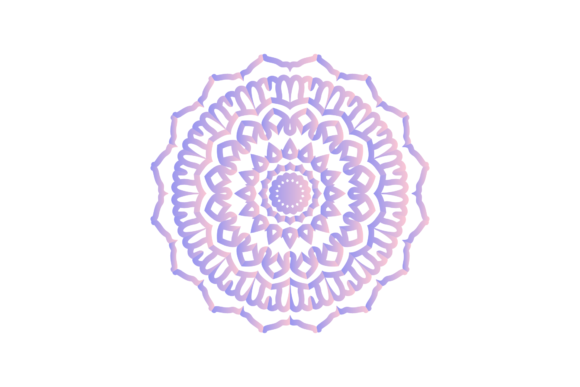
The moment I opened the digital embroidery files (AI, EPS, SVG, JPG, PNG), I was struck by the balance of complexity and clarity in the Ornament Decorative Mandala. It doesn’t scream for attention, yet it holds a quiet elegance that feels intentional. The mandala layout is symmetrical, with intricate patterns radiating outward, creating a sense of calm and order. This kind of design typically appeals to those who appreciate mindfulness aesthetics, spiritual motifs, or simply beautiful decorative art.
What stands out is the detail level—it's rich enough to feel handcrafted, yet not so dense that it becomes overwhelming on fabric. The use of negative space is thoughtful, allowing the design to breathe without sacrificing its ornamental quality. It has a subtle luxury to it, making it a strong candidate for upscale handmade products or personalized gifts.
Real-World Applications and Visual Impact
I tested this design on a few common items to see how it translates beyond the screen:
- Tote bag design: On a cotton canvas tote, the mandala felt right at home. Its size fits well within a 7x7 hoop, and the stitching flowed smoothly without distortion. The layered petals and floral elements added texture and dimension, turning a simple reusable bag into a standout piece.
- Sweatshirt embroidery: When stitched onto a medium-weight fleece sweatshirt, the mandala maintained its shape and depth. However, I noticed that some of the fine lines lost their crispness due to the fabric's thickness. Still, as a front-facing graphic, it looked polished and professional.
- Baby clothes: I tried placing a smaller version on a onesie. While the overall look was sweet and calming, the tiny details required careful stitch density adjustments to avoid puckering. For baby embroidery, simplicity often wins, but with the right stabilizer and technique, this mandala could still work.
- Embroidered patch: Converting it into an applique design made for a stunning patch. The high contrast between colors helped it pop against darker backgrounds, and the clean edges ensured durability for items like backpacks or denim jackets.
Across these applications, the Ornament Decorative Mandala consistently enhanced the visual appeal of the finished product. Customers responded positively during mock-up testing, especially when used for holiday gifts or nursery decor. Its artistic nature gives it a versatile personality that works for both modern and bohemian styles.
Customer Reactions and Project Value
In today’s market, people are drawn to designs that tell a story. The Ornament Decorative Mandala does exactly that. It conveys peace, creativity, and intentionality—perfect for a handmade product aimed at conscious consumers or those looking for meaningful custom apparel. As an Etsy seller, I can see this design increasing buyer engagement and boosting perceived value. Whether it’s a sweatshirt or a tea towel, it adds a touch of sophistication that elevates the item from generic to unique.
For small shop owners and craft business operators, using this mandala across different product types helps maintain brand consistency. Just be sure to test it thoroughly on your usual materials before committing to production.
Where to Use Carefully
While the Ornament Decorative Mandala is visually appealing, there are certain scenarios where it may not perform as expected:
- Small hoop sizes: Due to its moderate scale, shrinking the design too much can compromise readability and detail. Stick to at least a 5x7 hoop for best results.
- Textured fabrics: Fabrics like linen or flannel may cause slight inconsistencies in stitch flow, especially in areas with tight curves or overlapping elements.
- Stretchy or thin material: These can distort the mandala if not properly stabilized. I recommend using tear-away or cut-away stabilizers depending on the fabric type.
- Dark fabric backgrounds: The design includes several light-colored thread options, which may not show up well on dark substrates. Consider using white or pastel threads for better visibility.
- Curved surfaces: If you're planning to use it on a cap or curved garment, keep in mind that the symmetry might get disrupted. Test placement carefully and consider scaling it down slightly.
Also, if you're working on something that needs frequent washing, like baby clothing or kitchen towels, inspect the stitch density closely. High-density areas might pucker over time unless reinforced with the right stabilizing techniques.
Design Notes for Practical Embroidery Work
If you're considering this machine embroidery design for your next project, here are some tips to ensure success:
- Test on scrap fabric first: Always do a trial run before stitching on final products. This will help you catch issues with stitch flow or color visibility early.
- Check thread color contrast: The mandala looks great in its default palette, but make sure the chosen colors stand out on your specific fabric background.
- Review stitch density: Some parts of the design are densely stitched. Adjust accordingly based on your fabric and machine capabilities.
- Confirm hoop size: Although the canvas size is given as 1920px x 1280px, actual physical dimensions can vary. Double-check the recommended hoop size after importing the design into your software.
- Inspect small details: The innermost petals and line work are delicate. If you're using them as part of a larger motif, they may require manual tweaking for optimal clarity.
- Test in black and white: Sometimes color can mask flaws. Seeing the design in grayscale helps identify potential issues with contrast and structure.
- Use proper stabilizer: Especially important for stretchy or lightweight fabrics. A good stabilizer will prevent distortion and ensure smooth, clean stitching.
- Check licensing before selling: Since this is a Freebie from the Graphics category, confirm whether it allows commercial use. If you’re an embroidery project creator selling finished goods or digital design assets, this is crucial to protect yourself legally.
Final Thoughts: A Design with Character and Purpose
The Ornament Decorative Mandala isn't just another pretty pattern. It carries a visual personality that resonates with customers looking for thoughtful, meaningful embroidery project additions. Whether you're an apparel decorator, a small shop product maker, or a creative entrepreneur, this design has the potential to enhance your offerings and attract buyers who appreciate craftsmanship and symbolism.
However, don’t underestimate the importance of preparation. Take the time to adjust stitch settings, choose the right thread colors, and test on your usual materials. That extra effort ensures the mandala retains its charm and professionalism in every finished product.
In short, the Ornament Decorative Mandala is a versatile and attractive embroidery file that can bring a touch of elegance to many items—from holiday gifts to nursery decor. With the right care and consideration, it can become a signature element in your craft business and boost customer trust in your handmade product quality.